

🍽️ Relationship between Feed Particle Size Distribution, Selective Feeding, Fat Accumulation, and Hen Efficiency
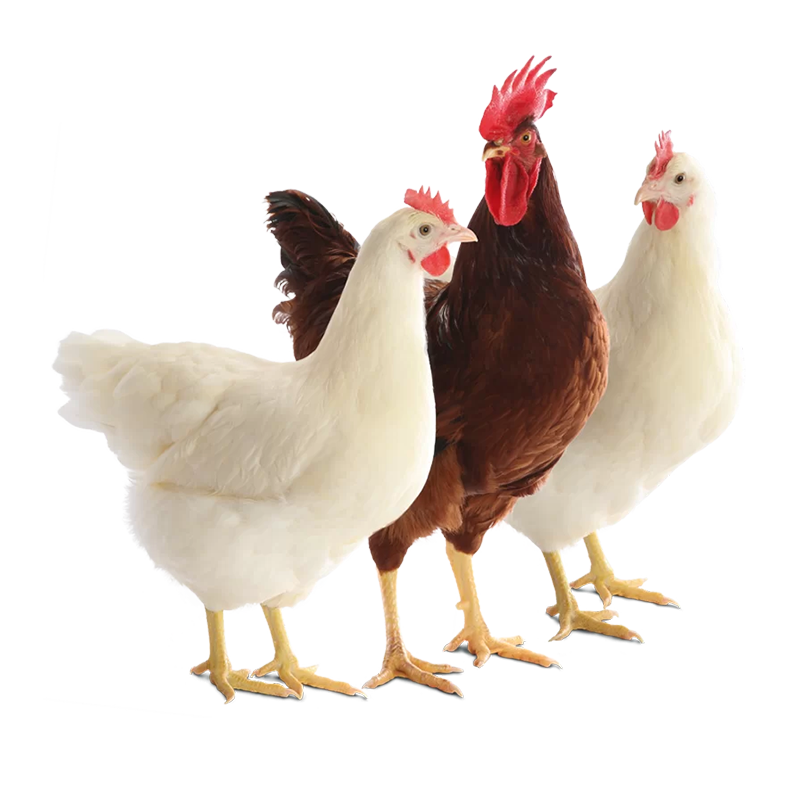
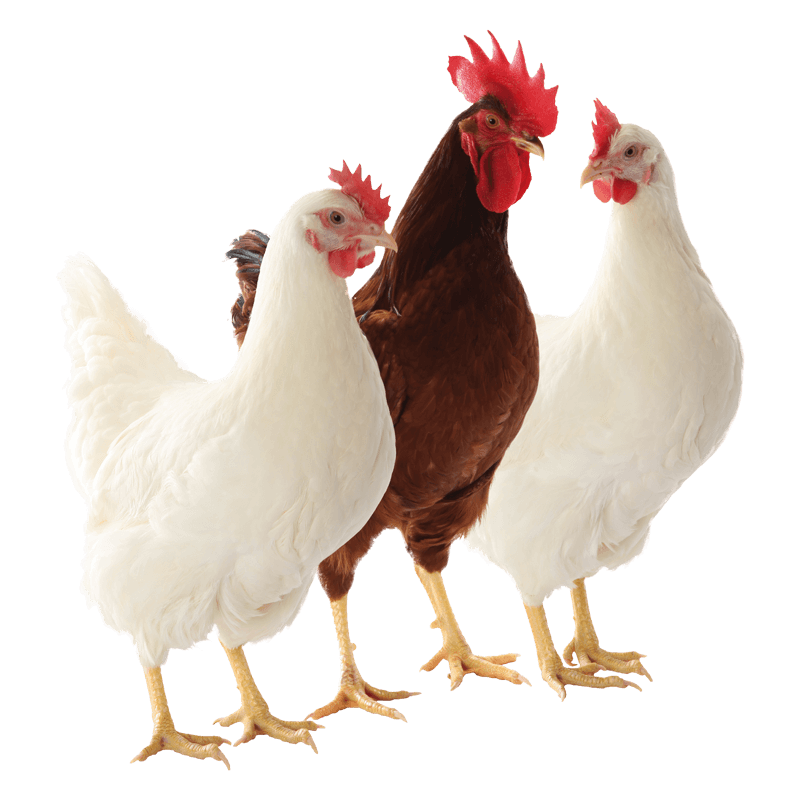
Hens naturally prefer to eat the larger, coarser feed particles, which means the finer particles (≤1 mm), where most amino acids, vitamins, and minerals are concentrated, are often left uneaten in the feeder.
As a result, hens may not receive the complete range of nutrients needed for optimal health and productivity.
⚖️ When feed does not have a uniform particle size distribution, pullets and hens are more likely to show this preference for larger particles.
This situation becomes even more pronounced as the number of feed distributions increases, encouraging birds to feed in a “buffet style” since they know there will always be particles to select in the feeder.
🐔 This behaviour makes hens less efficient, as they require more feed to produce the same amount of eggs.
As a result, these hens are more prone to gaining excess body weight, accumulating abdominal and liver fat, and developing fatty liver haemorrhagic syndrome. These metabolic consequences not only compromise their health and lifespan but also result in lower egg quality, particularly in the albumen, and a higher proportion of non-saleable eggs.
💡 In conclusion:
Ensuring a uniform distribution of feed particle sizes and an appropriate feeding pattern is just as important as the nutritional profile itself, as these factors have a significant impact on the health and productivity of the birds.
LOHMANN BREEDERS – It’s the egg. 🥚💛
#LOHMANN #LOHMANNBREEDERS #TeggnicalInsights #FeedManagement #LayerNutrition #PoultryScience #HenPerformance #FeedParticleSize #ItsTheEgg