Modern poultry production demands precision. Gone are the days when intuition alone could guide management decisions. Today,
benchmarking and
data-driven analysis are essential tools for optimizing performance and ensuring profitability.
At LOHMANN BREEDERS, we combine comprehensive data collection with advanced analytics to deliver actionable insights for producers worldwide.
Why Benchmarking and data analysis matter
The performance of laying hens depends on a complex interplay of genetics, nutrition, housing system, environmental and health factors as well as management practices. Without structured data, these relationships remain unclear, and decision making may turn out biased. Benchmarking allows producers to:
Compare their results against industry standards
Identify strengths and weaknesses
Implement targeted improvements
Field data analysis goes a step further by enabling:
Early problem detection (e.g., feed intake, mortality)
Optimization of management strategies
Evidence-based decisions for long-term success
Key insights from benchmarking
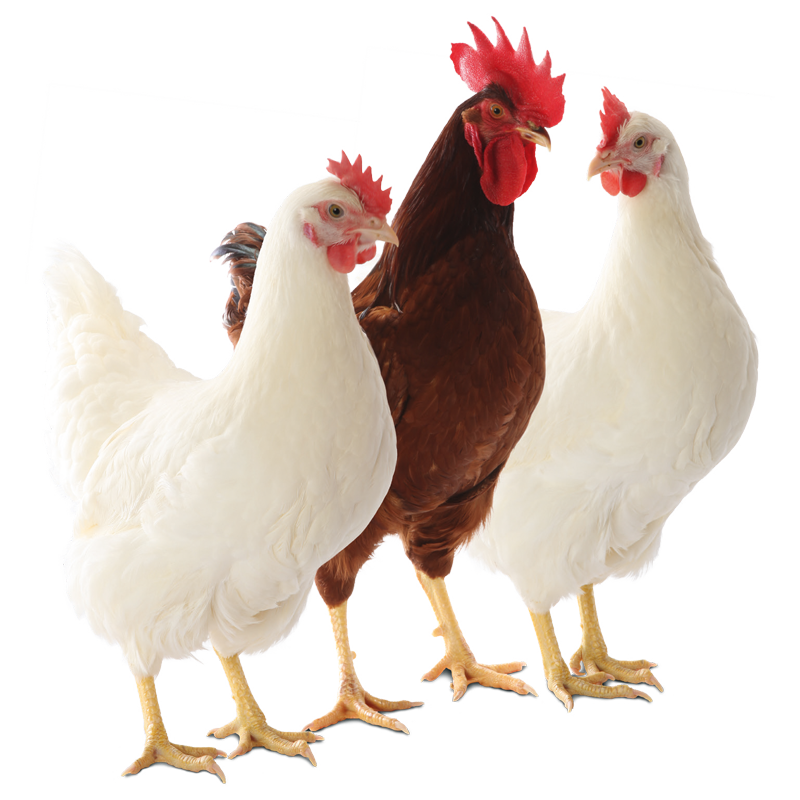
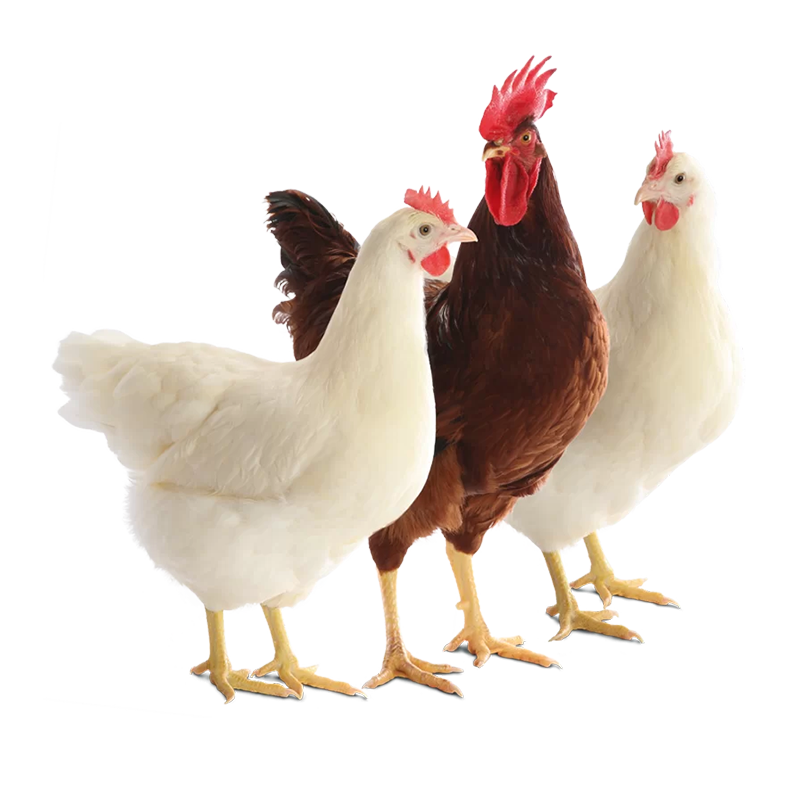
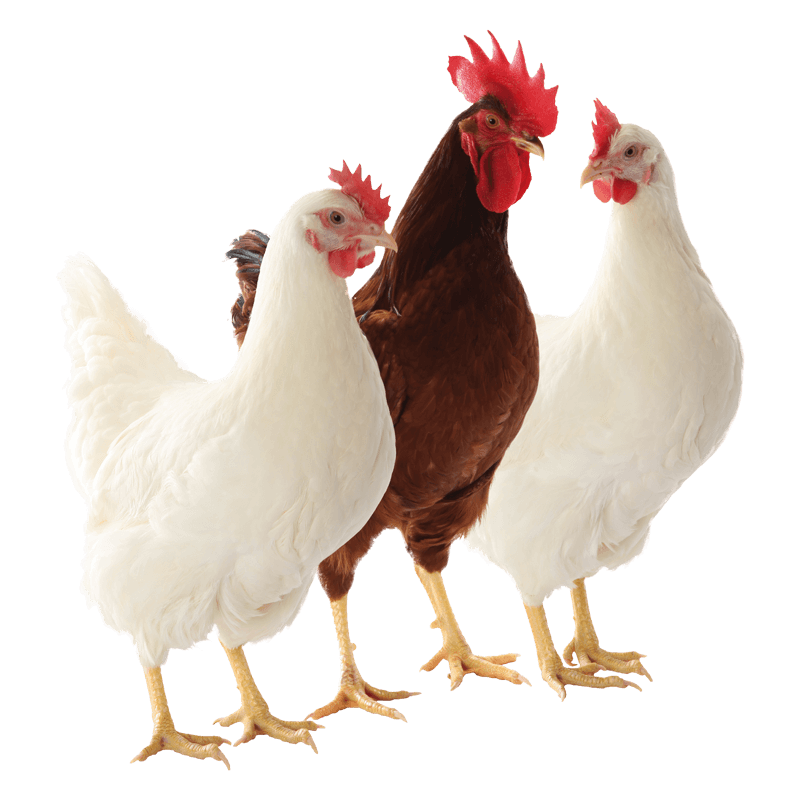
Recent benchmarking studies highlight the genetic potential of LOHMANN breeds under diverse conditions across the globe.
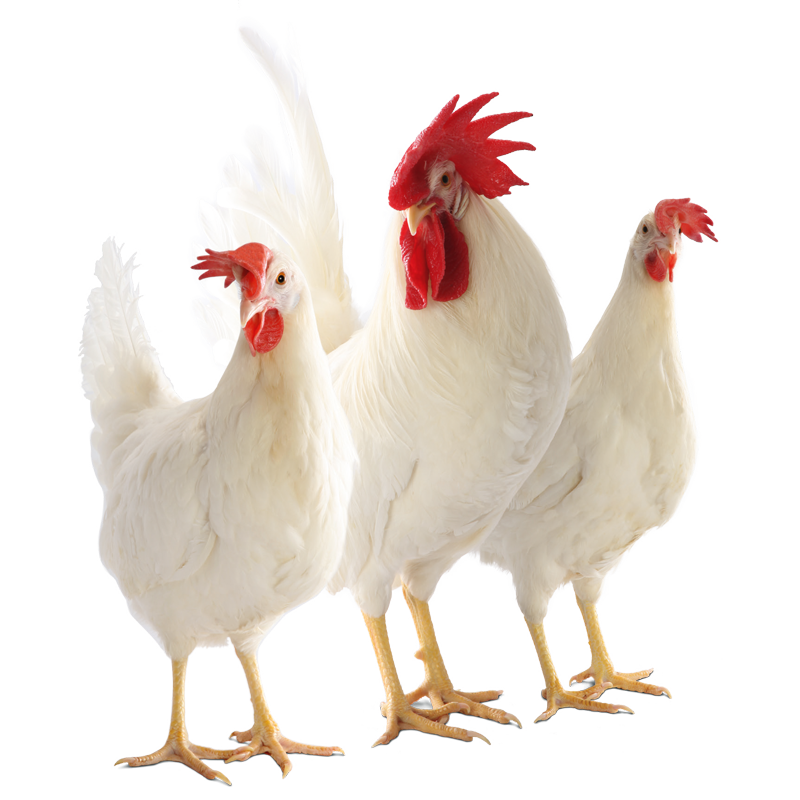
Reaching over 500 eggs before 100 weeks is no longer a milestone with livability as good as 94% and over 50 weeks above 90% hen day production for LSL commercials.
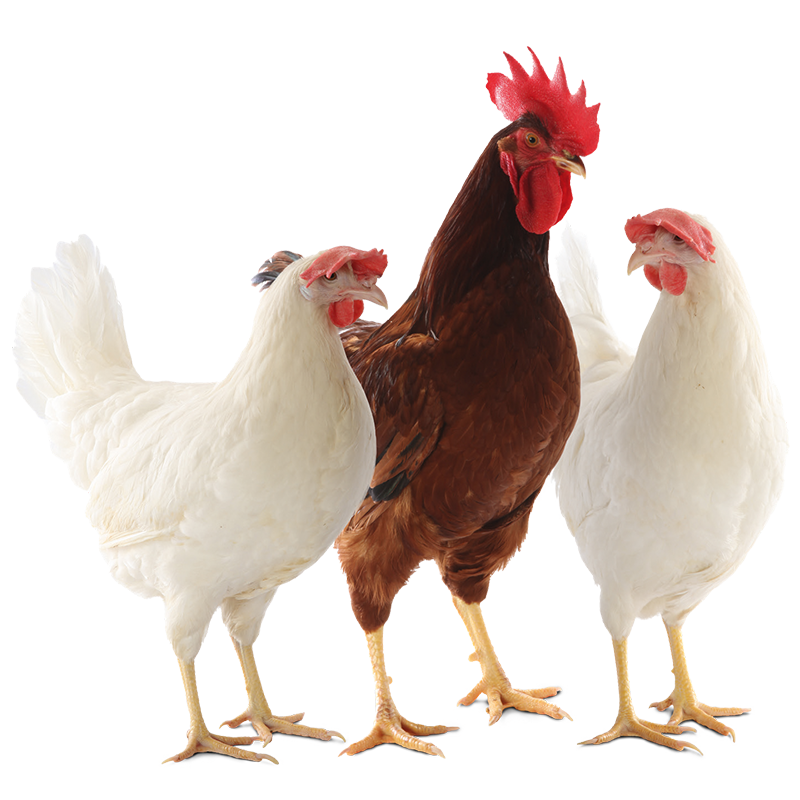
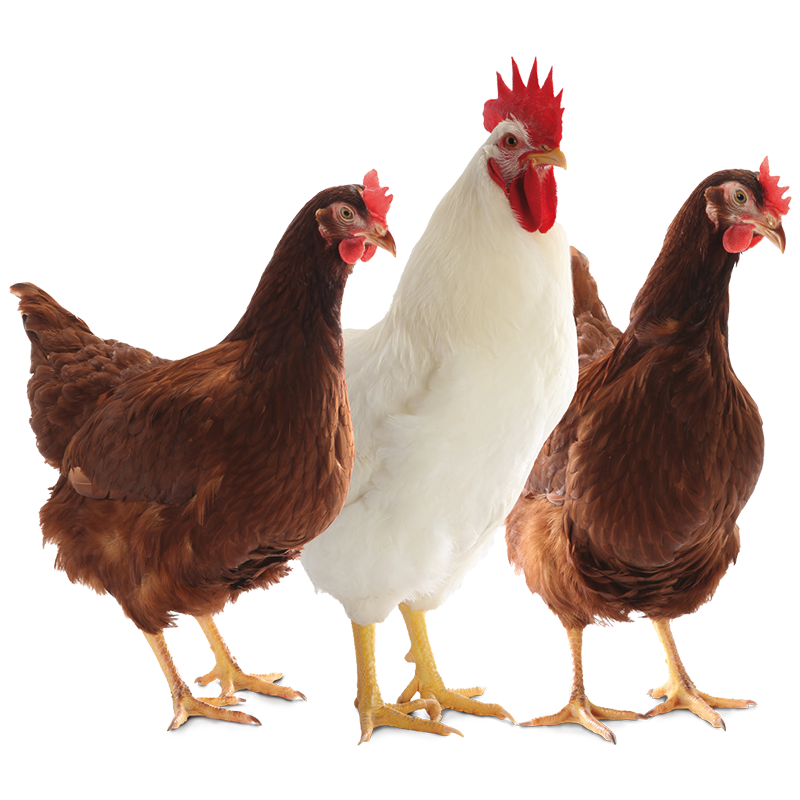
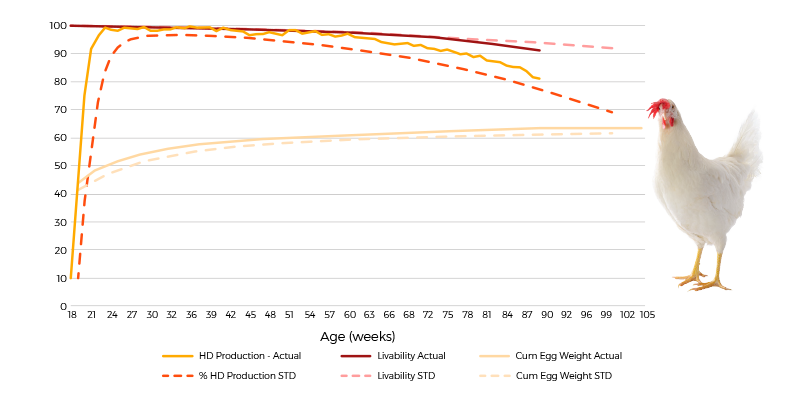 On the other hand, even LOHMANN BROWN birds are able to reach over 500 eggs per hen housed in cage conditions, even in hot climate regions where we balance good management practices and hands-on technical service.
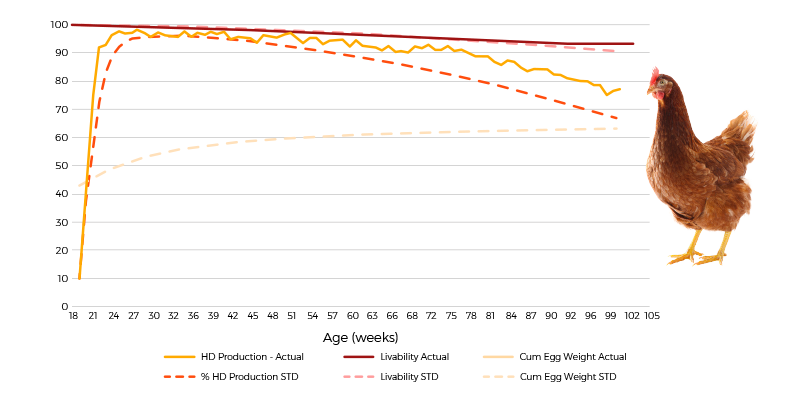
Extending production to 100 or more weeks showcases genetic robustness and the potential for longer laying cycles. We often see customers keeping single cycles of 120 weeks getting close to 600 eggs per hen house in 2025.
When properly managed even more eggs per hen housed are yet to come!

Performance drivers
Data from flocks hatched in 2020–2022 reveals that the following factors significantly influence outcomes at different rates:
Housing system: open houses and climate controlled
Feed supplier: different suppliers lead to significant different outcomes
Stocking density: normal ranges of birds per area should be respected for enhanced pay off
Beak treatment: different approaches can have better results
Hatch season: linked to housing, it can be an effect playing important role in egg production
Understanding these variables help producers fine-tune management strategies and maximize profitability.
The interaction of these variables gives egg production a finetuning tool to optimize the operation.
The Future: AI and Big Data
LOHMANN BREEDERS is pioneering the use of advanced analytics in poultry production:
Artificial Intelligence and Machine Learning
Big Data and multivariate analysis
Ethical data handling (fully anonymized)
Our predictive models already achieve significant statistical confidence.
These tools enable automation, re-skilling, and precise recommendations for optimal performance.

Conclusion
Benchmarking is more than comparison—it is a strategic instrument for continuous improvement. Combined with robust data analysis, it empowers producers to:
Measure – Analyze – Act
Reduce waste and improve efficiency
Adapt genetics to local conditions
Call to Action
Share your field data with us and help shape the future of layer production.
Data = Insight = Results.