


A journey of innovation and precision
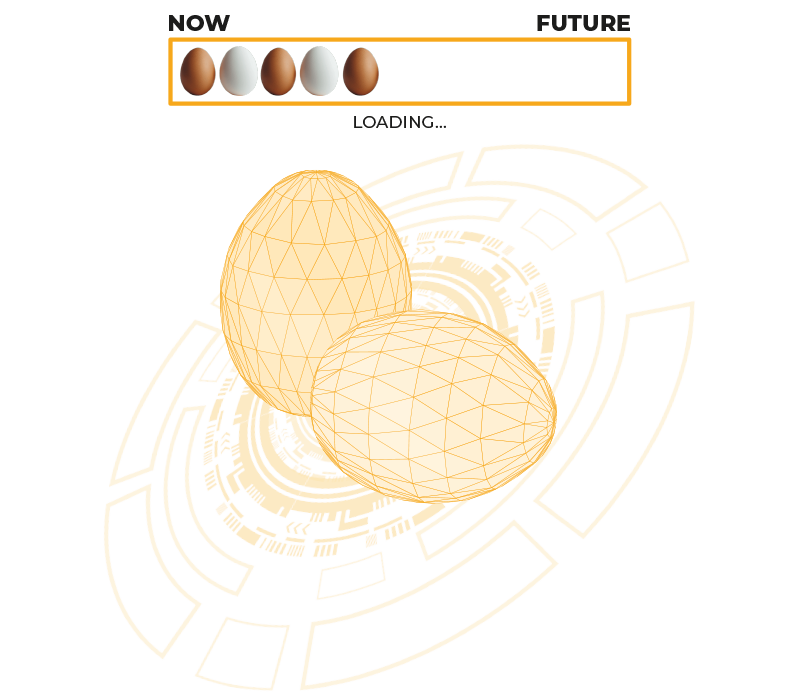
Poultry genetics has advanced from basic phenotype selection to a science driven by genomics, AI data analysis, and automated recording.These innovations allow us to accurately identify superior animals earlier, shorten generation intervals, and accelerate genetic progress in economically important traits.
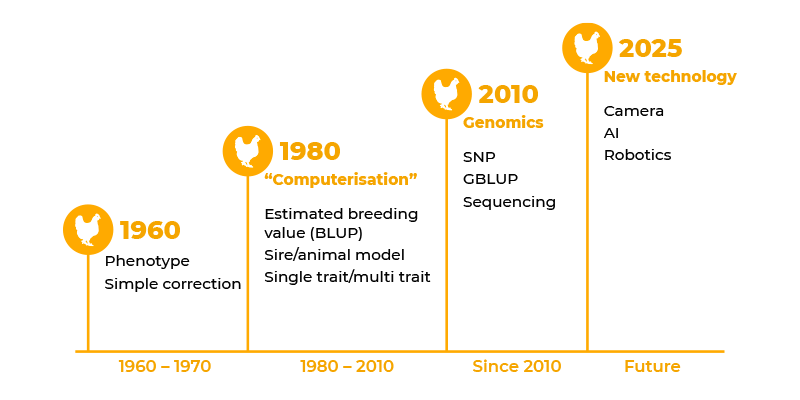
Graphic 1. Evolution of breeding
Genetic progress you can measure
The outcomes of this approach are measurable. For instance, the LOHMANN LSL-CLASSIC line has demonstrated consistent improvements in egg production over time.In 2003, hens produced approximately 345 eggs by 80 weeks of age. This figure increased to 374 eggs by 2022, with projections indicating up to 378 eggs by 2026.
This represents an increase of 29 eggs over two decades, achieved through sustained genetic advancements.
Additionally, the productive lifespan of the hens continues to expand, with a single cycle of 120 weeks now considered attainable.
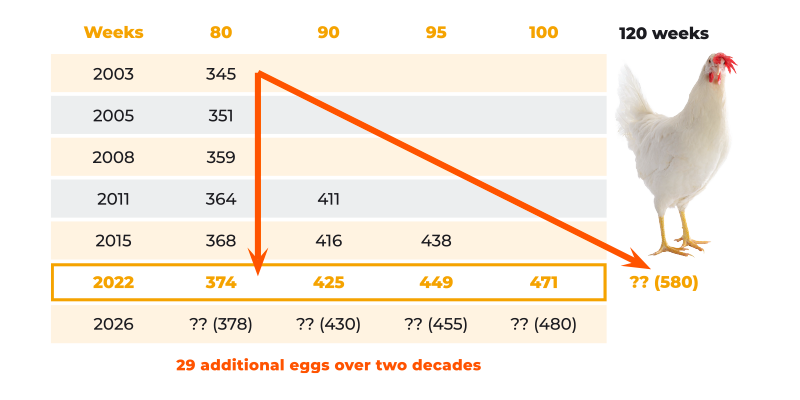
Chart 1. LOHMANN LSL-CLASSIC performance standard
What is behind longer cycles: the power of persistency
Optimum sexual maturity and peak lay rates over 98% for several weeks is already achieved. The focus is now on persistency—the ability to maintain high laying rates over time. We focus on traits that support long-term performance.Stable egg weight curves with good early egg size
Late shell quality to ensure marketable eggs throughout the laying cycle
Good feed intake capacity, especially at the onset of lay
These traits are carefully monitored and selected across generations, contributing to both economic efficiency and animal welfare.Livability, ensuring hens remain healthy and productive well into later stages
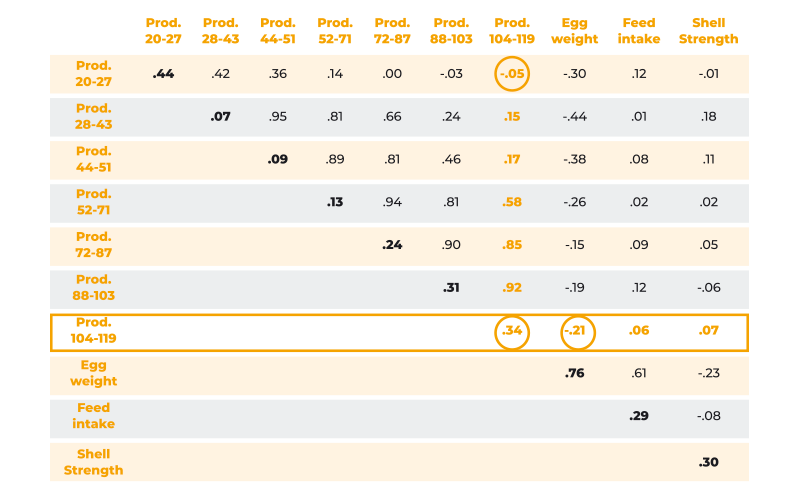
Chart 2. Genetic parameters of persistency
Genetic Parameters for longer egg production show a high heritability and not more stronger negative genetic correlations to sexual maturity and egg size as already seen before.
Real-life testing for real-world results
Our breeding programs reflect global production diversity. We test pure and cross lines in various settings—single cages, family groups, transponder-nest systems, and aviaries—to ensure hens perform well under commercial conditions.Crossline testing captures heterosis effects and assesses family performance in realistic environments. These findings directly improve our selection process, enabling us to breed hens that succeed in real-world settings.
Global reach, local impact
Our genetic lines are tested and proven across continents—from Europe to Asia to Latin America.Whether it’s improved livability in Japan or enhanced egg numbers in Colombia and Brazil, the genetic trends are clear: LOHMANN hens deliver consistent performance across diverse climates and management systems.

Story of success continues: LOHMANN LSL-LITE EUROPE
LOHMANN LSL-LITE EUROPE, introduced in the Netherlands and Germany in 2021, continues to perform outstanding.The latest example is a flock from the Netherlands in aviary housing without beak treatment reaching 592 eggs/HH in 120 weeks.
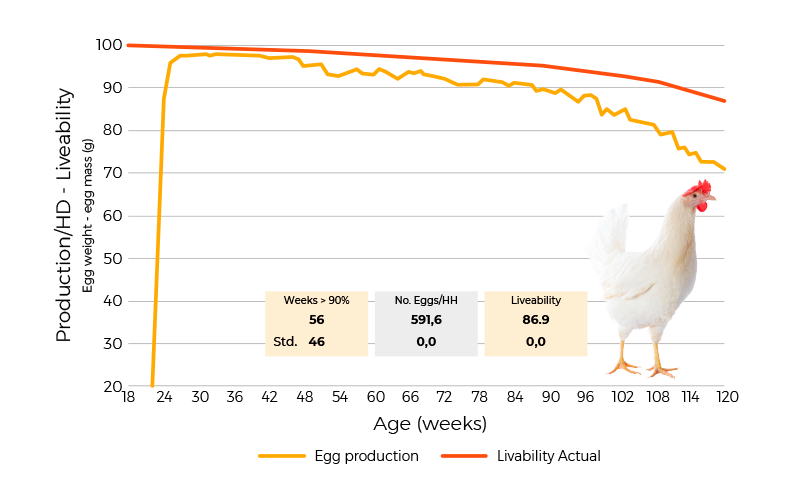
Chart 3. Flock LOHMANN LSL-LITE EUROPE: 120 weeks
Breeding with responsibility
At LOHMANN BREEDERS, we believe that breeding is a responsibility. It’s about shaping the future of poultry production with a focus on sustainability, animal health, and economic viability.By combining cutting-edge technology with decades of expertise, we continue to breed hens that meet the demands of today—and are ready for the challenges of tomorrow.