
 Management

But in reality, the true foundation for a successful laying cycle is laid much earlier, and in a much quieter way.
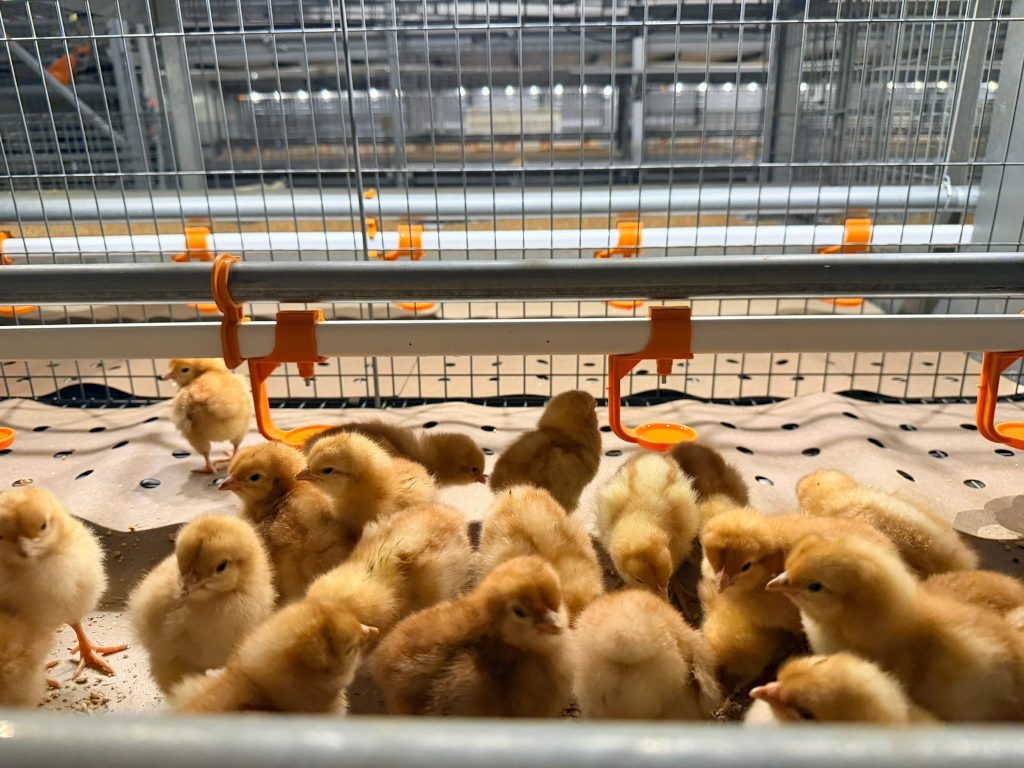
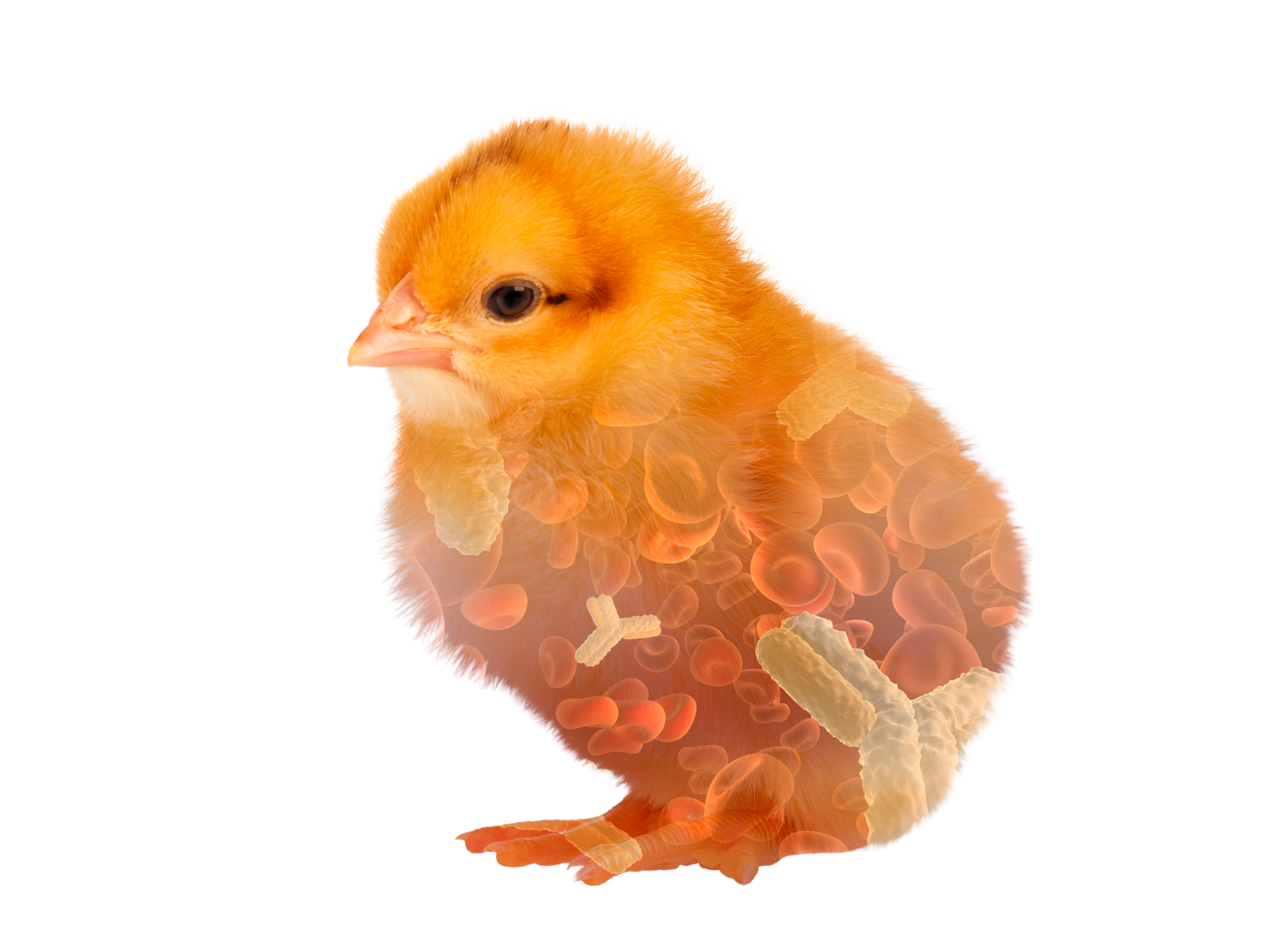
It starts on day one, in the rearing house, often unnoticed, but absolutely crucial: this is the HOW WE time when we imprint the immune system.
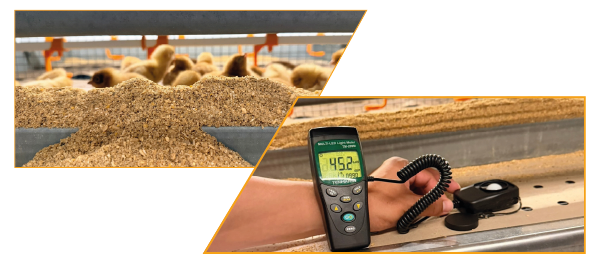
Yes, we feed chicks to help them grow. Yes, wemonitor bodyweights and uniformity. But whatwe’re really doing—if we look a little deeper—isprogramming their bodies for a life of resilience.

We are building the immune systemthrough feeding, gut development, and management.

And if we get that right, we unlock the potential for high performance, low mortality, and longer laying cycles, even in today’s challenging cage-free environments.
Why the First Six Weeks Matter So Much
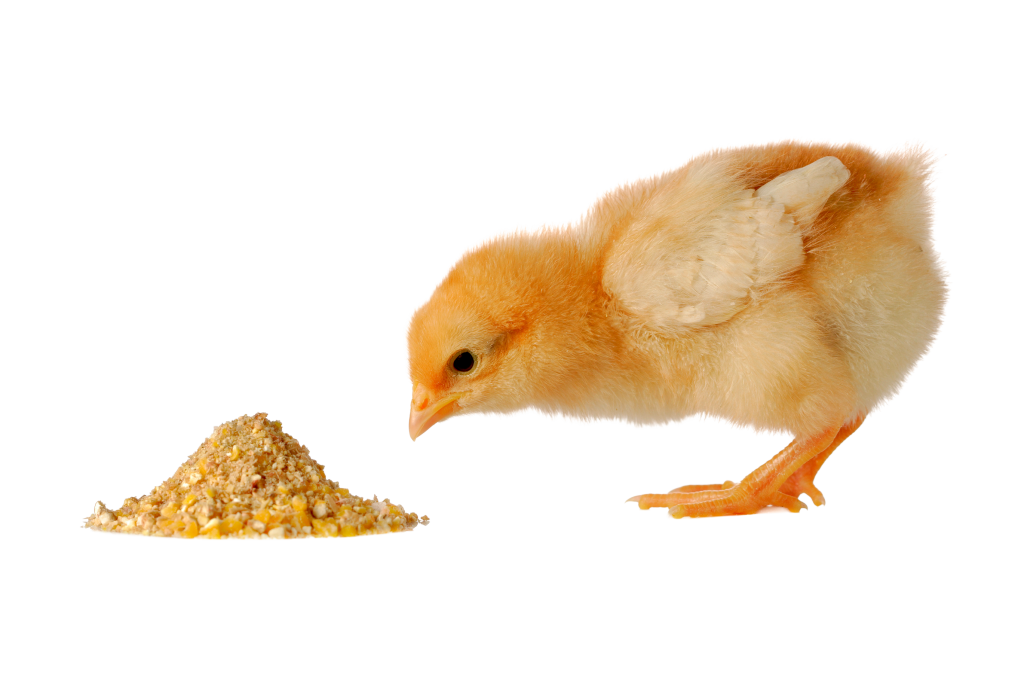
Chicks start life with minimal immunity,relying briefly on maternal antibodies.The first six weeks are crucial for rapiddigestive and immune development.Proper feeding and hydration stimulategut growth; failure here can cause lifelonghealth issues.Feed as a Tool for Training, Not Just Growth

Early feeding is more than achieving target weights—it’s about proper organ and system development. Feed should promote stomach and gizzard growth and gut motility. We train birds to process nutrients efficiently, which strengthens the immune system.
From Week 6 to 15: Storage Training and Intake Control
As birds mature, they learn to regulate intake. Developing crop capacity and a strong gizzard prepares them for future energy needs. Feed during this period should balance energy, protein, and fibre to support steady growth and digestive health.Managing the Invisible: Transitions, Stress, and Environmental Triggers

During rearing transitions, unseen changes like hormone shifts and new environments can affect performance. Keeping feeding routines consistent eases adaptation and maintains immune function.
The Long Game: Peak Lay and Beyond
At peak production, all early investments pay off. Continued attention to diet, environment, and bird uniformity keeps the digestive and immune systems strong, ensuring ongoing egg quality and bird resilience.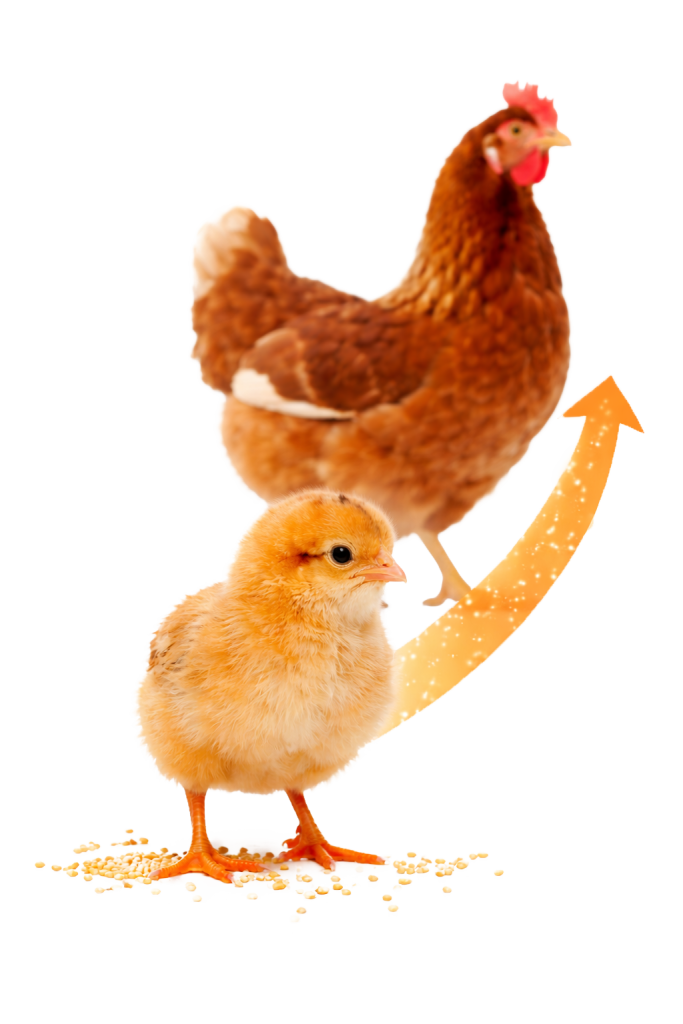
Final Thoughts
Invisible management, early gut stimulation, and strategic feeding aren’t just buzzwords. They’re our best tools for giving hens a healthy, productive, and long life—especially in cage-free systems, where the margin for error is small, and the expectations are high.
If we want layers that go the distance—90, 100 even 120 weeks—we need to start thinking like trainers, not just caretakers. We’re not just raising birds. We’re training athletes. It’s a marathon not a sprint!