





DR. AMR SAAD
Commercial Technical Manager Africa & Middle East
 Selecting the right layer line is a key success factor in African poultry markets. Consumer preferences, climatic conditions, housing systems, and economic frameworks vary widely across the continent. The objective is therefore to align LOHMANN genetics precisely with local market requirements.
Market Requirements: Egg Size and Shell Color
North AfricaMarkets in North Africa show clear differentiation:
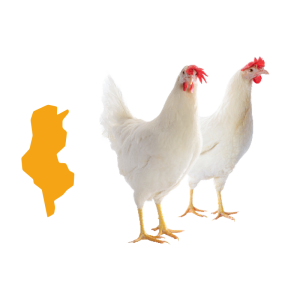
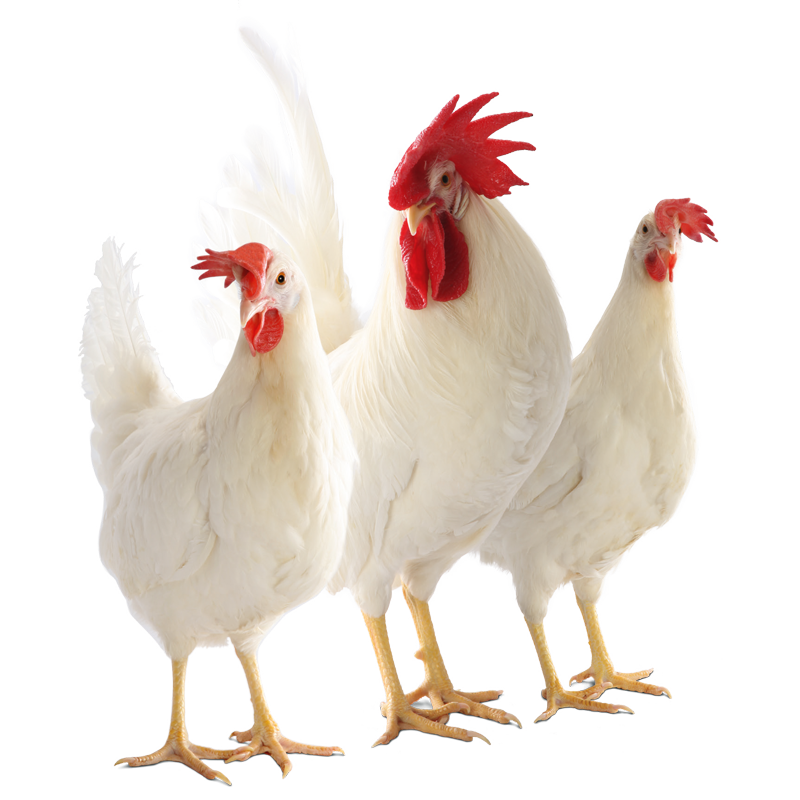
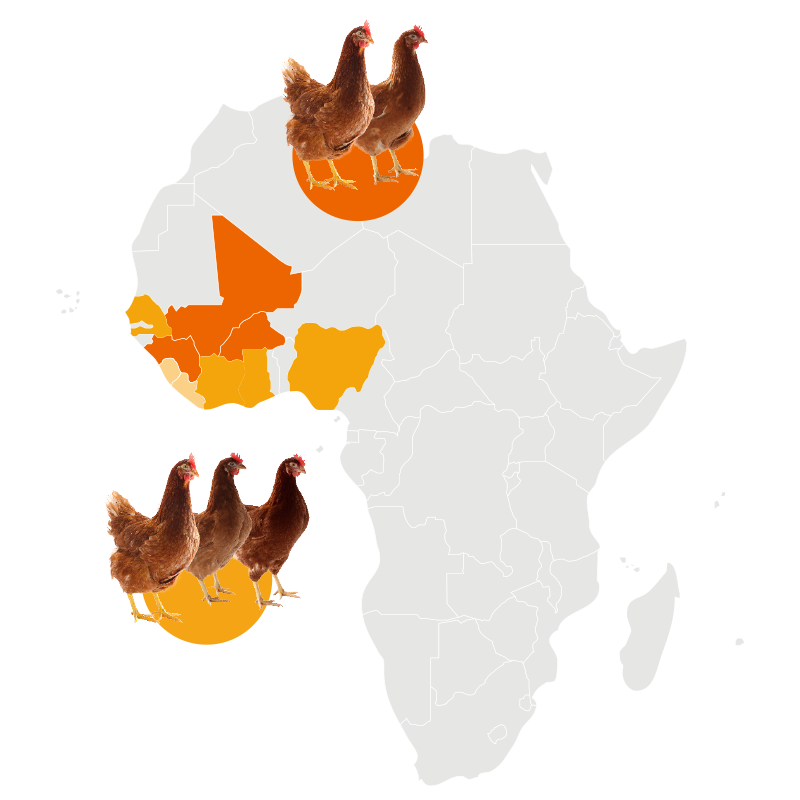
Tunisia is a white egg market, where LOHMANN LSL-CLASSIC or LSL-LITE are well suited.
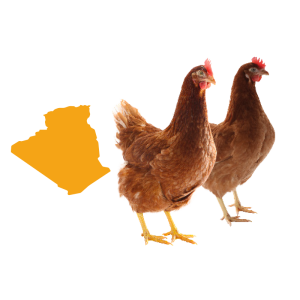
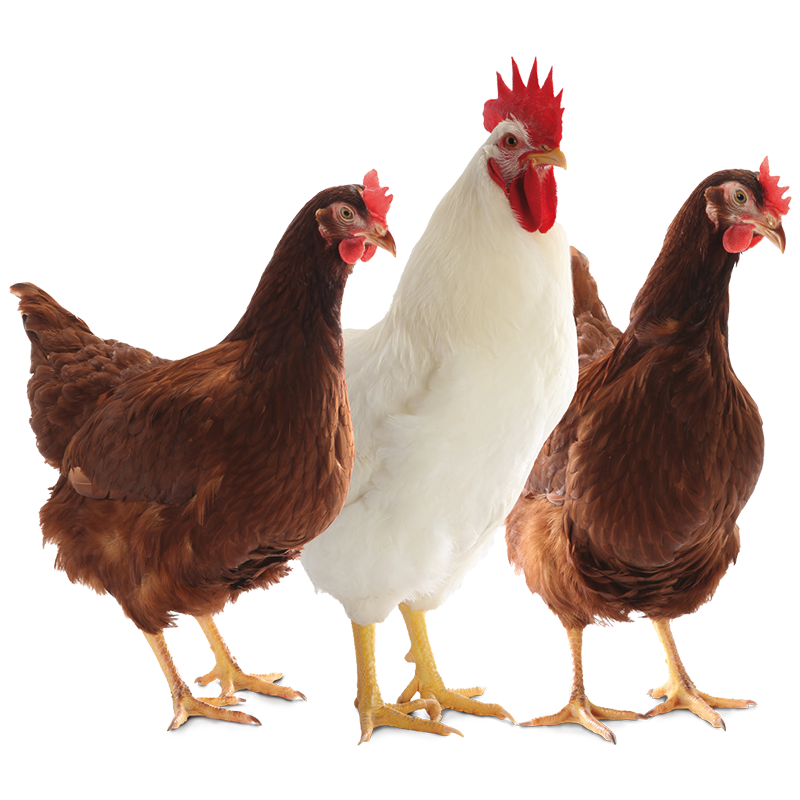
Algeria is predominantly a brown egg market, typically using LOHMANN BROWN-CLASSIC or BROWN-LITE.

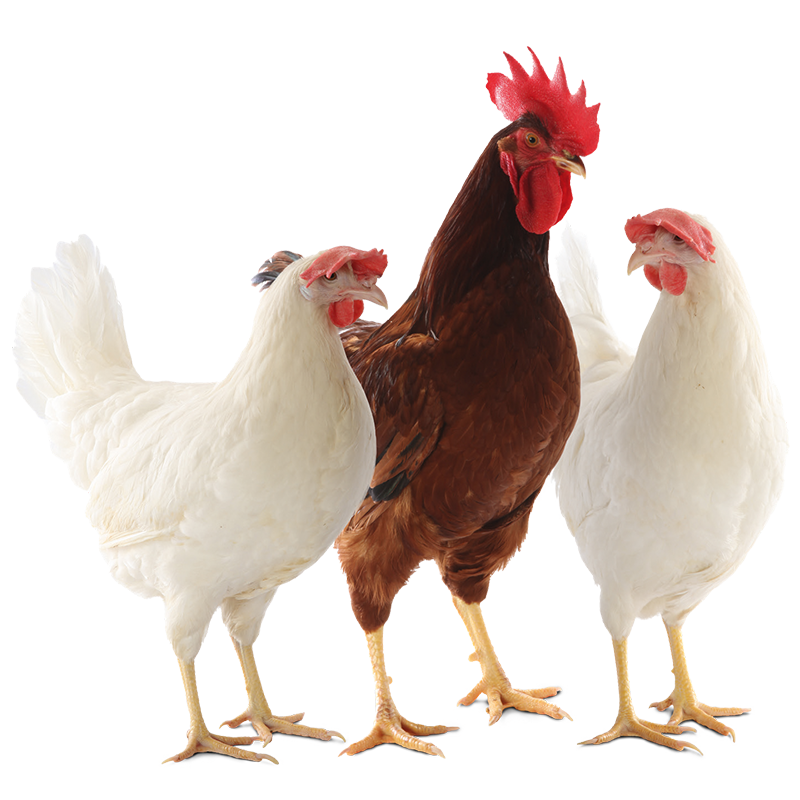
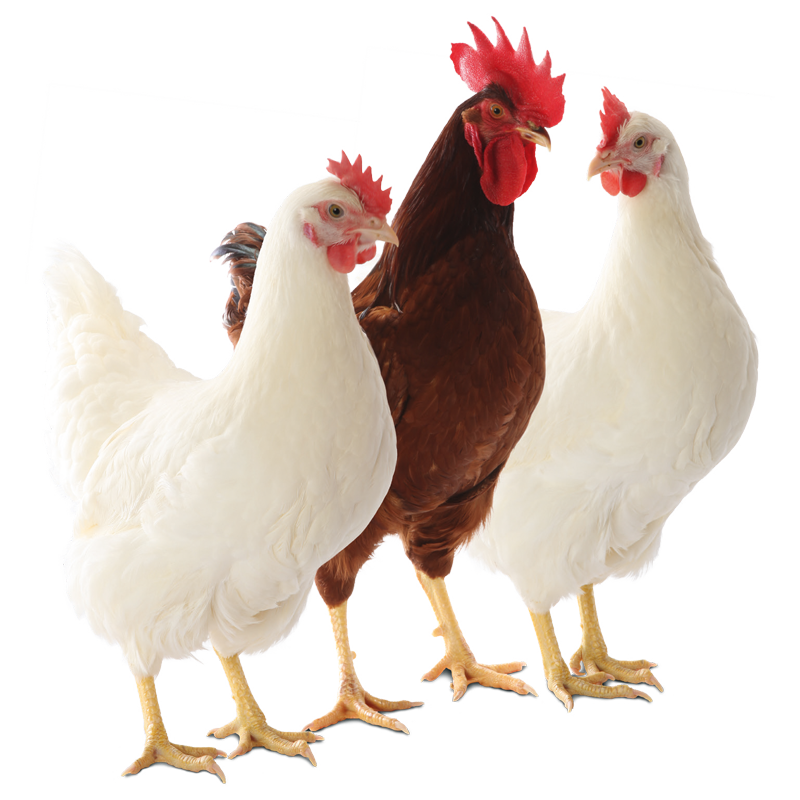
Egypt represents a mixed market for white and brown eggs, with line selection depending on the specific customer segment.
West African markets are largely dominated by brown eggs, often with a strong preference for larger egg sizes. Proven solutions include robust and high performing brown lines:
Countries such as Nigeria, Ghana, Senegal, and Côte d’Ivoire mainly rely on BROWN-CLASSIC, BROWN-EXTRA, or BROWN-LITE.
In markets with more challenging conditions or open sided housing systems—such as Mali, Burkina Faso, or Guinea —robustness is essential, making BROWN-CLASSIC or TRADITION suitable choices.
In developing markets like Sierra Leone and Liberia, adaptable and resilient lines are particularly important.
In markets with more challenging conditions or open sided housing systems—such as Mali, Burkina Faso, or Guinea —robustness is essential, making BROWN-CLASSIC or TRADITION suitable choices.
In developing markets like Sierra Leone and Liberia, adaptable and resilient lines are particularly important.
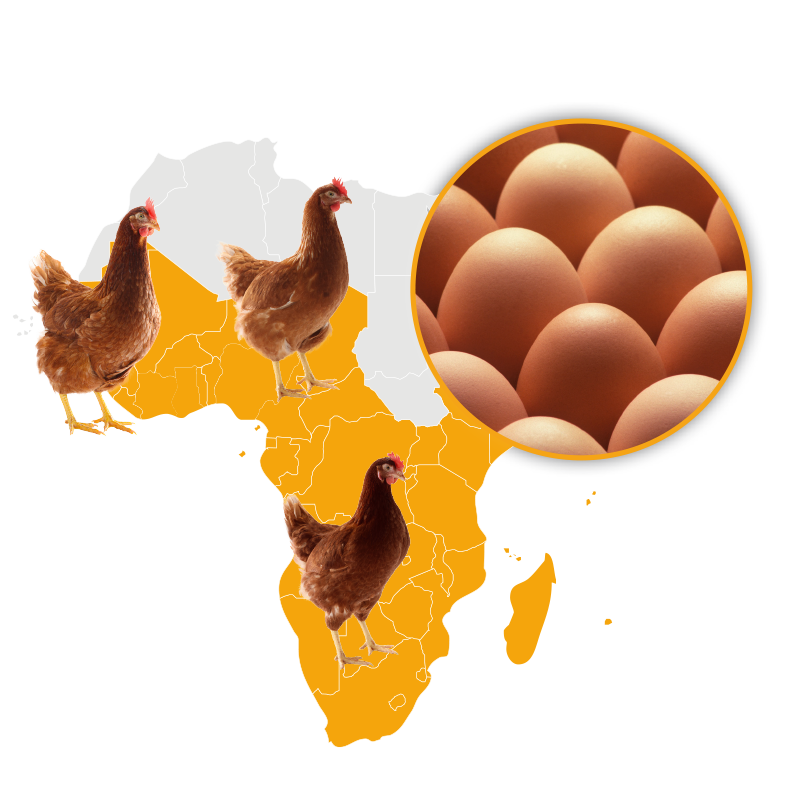
Across Sub Saharan Africa, brown eggs with larger egg sizes are clearly preferred.
Heat stress and climatic challenges strongly influence line selection, favoring resilient options such as BROWN-CLASSIC, BROWN-EXTRA, or TRADITION.
Southern Africa
In South Africa, the market is also dominated by brown eggs.
Depending on management level and housing conditions, BROWN-CLASSIC or BROWN-LITE are commonly used.
Climate, Housing, and Feed as Key Factors
Beyond market preferences, several additional factors play a decisive role in breed selection:
Climate:
Hot, dry, or humid regions require birds with strong heat tolerance and persistence.

Housing systems:
Open housing systems demand robust lines, while closed, climate controlled systems allow the use of highly efficient lines.

Feed availability and cost:
In markets with high feed prices or variable feed quality LITE and TRADITION
lines offer advantages through improved feed efficiency and nutrient flexibility.
Conclusion
Optimal breed selection in Africa always follows a holistic approach. Market preferences, climate, housing systems, and economic conditions are combined to identify the most suitable LOHMANN genetics.This ensures sustainable performance, profitability, and long term success—tailored to the specific requirements of each individual market.