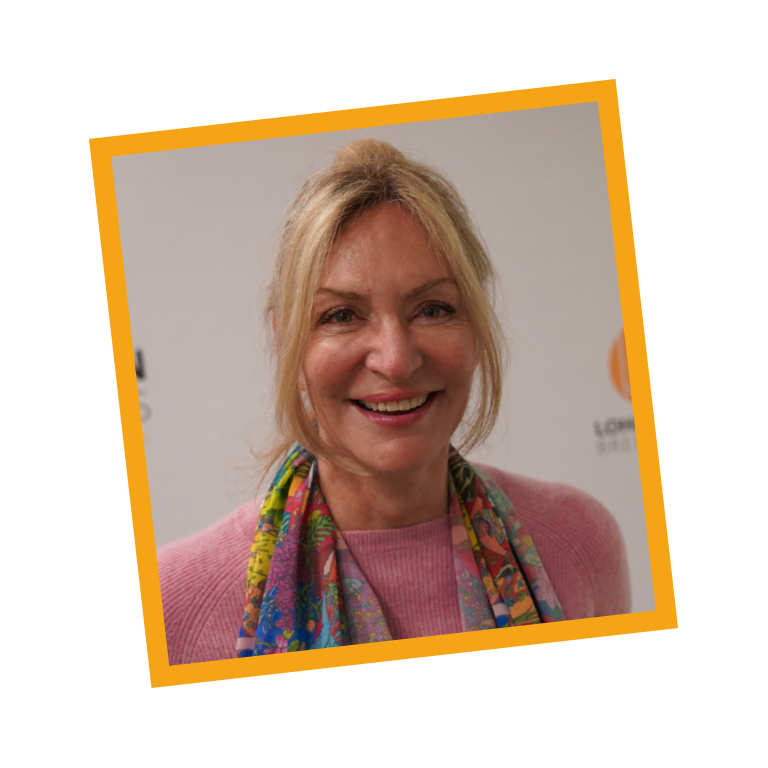
VIOLA HOLIK
Regional Customer Support
Region: Africa. Focus: Hands-on customer support & field work
Africa is characterized by diversity – not only in markets and production systems, but also in cultures, social role models, and everyday working realities.
For the Sales Team Africa, this means that true proximity to the market is not created at a desk, but out in the field – on farms, with customers, and at numerous regional trade fairs that are often far less visible than the major international exhibitions.
Viola Holik is a good example of this: she lives and works in Africa, attends many smaller specialist trade fairs throughout the year, and is regularly present directly with customers.
As a woman in the market – right in the middle of it
You work and live in a region where agriculture and poultry production are still strongly male-dominated in many places. How have you personally experienced this – and what motivated you at the time to consciously take this step and decide to commit to Africa in the long term?
I decided on Africa when I was just 16 years old – “Out of Africa” by Karen Blixen was my bible! My parents worked for the German Foreign Office, and we lived for many years in Somalia, Ethiopia, and Kenya, so I felt much more at home in Africa than in Germany.
I also chose my studies in agricultural sciences with a focus on animal production with the intention of working on this continent.
Originally, I wanted to work in development aid, and my first job with GIZ was indeed in Ethiopia and Kenya. At some point, I then ended up at LOHMANN and was given the task of developing the African market.
In Sub-Saharan Africa, women are actually very active in agriculture. Together with the children, they are responsible for caring for the livestock and also work the fields.
That is why it is not unusual for African customers to do business with a woman. It was somewhat more challenging in North Africa, where women are indeed less active in business life – but you grow with your tasks…
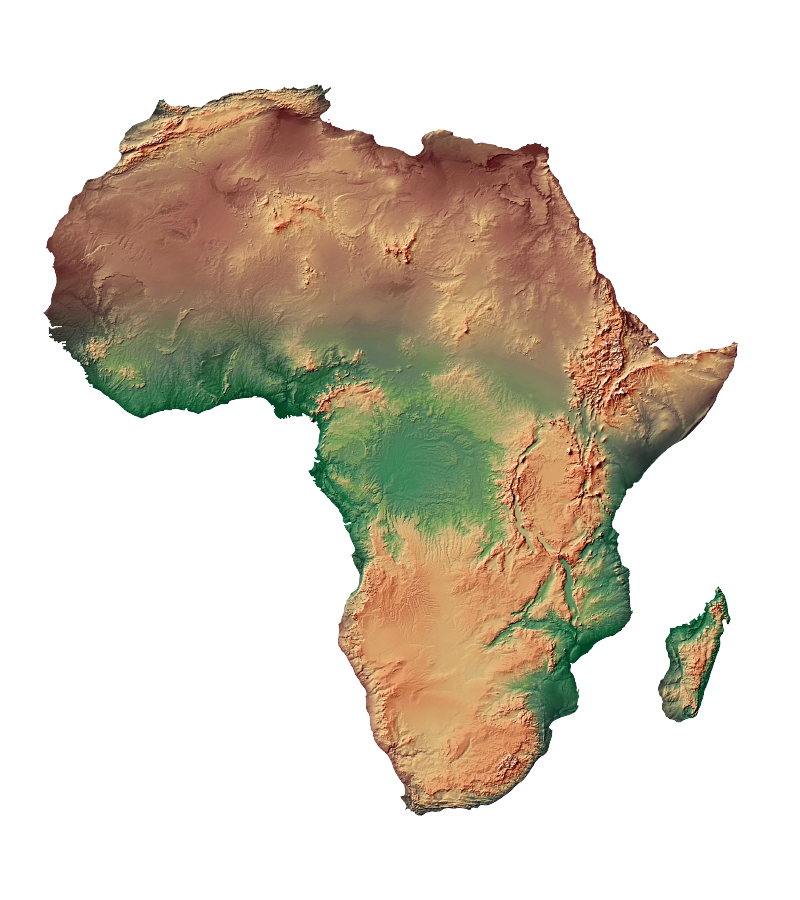
Closeness is built on the road, not only on big stages
While major international exhibitions receive a lot of attention, a large part of sales work in Africa takes place at smaller, regional events – often with a very specific audience and a strong practical focus.
You travel to many smaller, regional trade fairs throughout the year – from Southern Africa to North Africa and other parts of the continent. What role do these events play for your work compared to the large international exhibitions?
For me, these trade fairs are above all about networking. It is difficult to obtain a visa for Europe, and travel is expensive, which means that many potential customers will not attend the large international exhibitions.
I also use these local trade fairs to stimulate demand by speaking with many end-product customers and demonstrating the advantages of LOHMANN breeds.
In addition, farmers have the opportunity to talk about their problems with the product, and I can show them possible solutions.
Even years later, people still approach me and tell me how helpful the exchange was. Small trade fairs demonstrate presence and the willingness to engage with customers at every level, whether parent stock or egg production. This, in turn, supports the sale of parent stock.
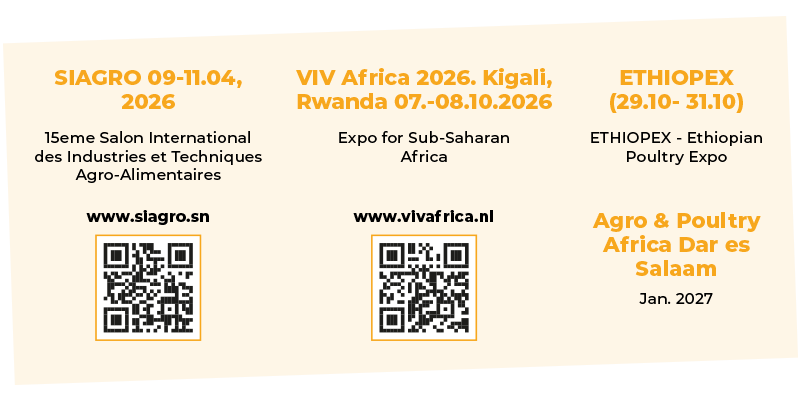
Living and working on site
Everyday life in Africa means that the Sales Team is not only traveling, but also truly immersing itself in local conditions – from customer visits to understanding nutrition, culture, and daily rhythms of life.
What does it mean for your daily work – and also for you personally – to actually live on site instead of just “flying in for appointments”? Is there something about markets and customers in Africa that you only really understand once you have lived there for a while?
I notice this right at the beginning of conversations with new customers. When you live in Africa yourself, you face the same daily challenges – whether it’s poor power supply with outages lasting several hours or even days, water shortages, stubborn authorities, etc.
You understand the other person’s problems, meet immediately on a different level, and that creates instant trust.
You are very close to the farms and see our products in daily use. Speaking from practical experience: What do African customers value most about LOHMANN layers – and why do exactly these characteristics make the difference in the poultry house?
Farmers value the long production period of our birds and their ability to quickly recover to their previous performance level after problems such as disease or poor feed quality have caused a drop in performance.
Since these challenges are part of everyday life, our customers are very grateful for a hen that does not let them down.